Feb-2016
10 cruelest tourist attractions with animals
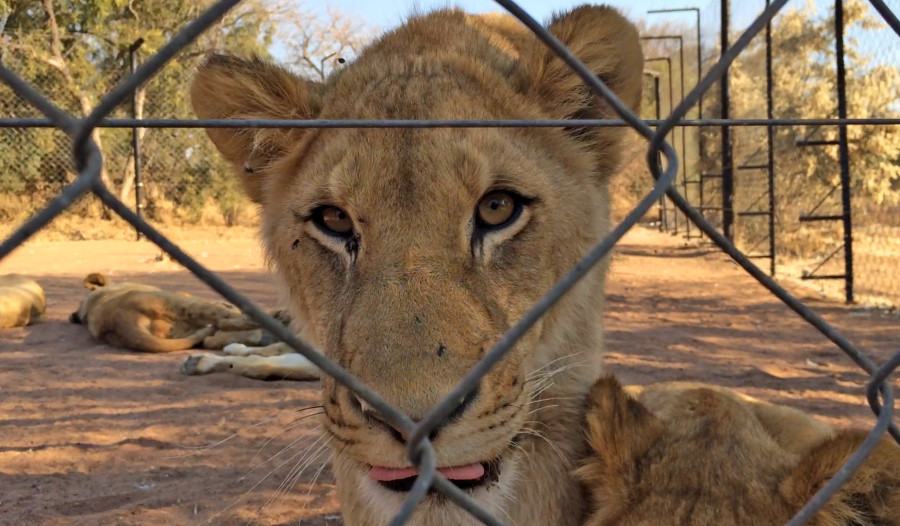
A lion in a barren facility in Southern Africa.
Three out of four tourist attractions with wildlife cause animal suffering. An extensive research by the international animal protection organization World Animal Protection revealed this in a report last week and I want to share it with you.
World Animal Protection states that at least 550,000 wild animals suffer at the hands of providers of cruel, irresponsible tourist attractions. This is evident from the first global study on animal cruelty with wildlife tourist attractions. WildCRU, the Wildlife Conservation Research Unit at Oxford University, has conducted this research as an assignment for World Animal Protection. Based on this, a list is complied of the ten most cruel tourist attractions with wild animals in the world.
The 10 most cruel tourist attractions with wild animals
1. Elephant rides
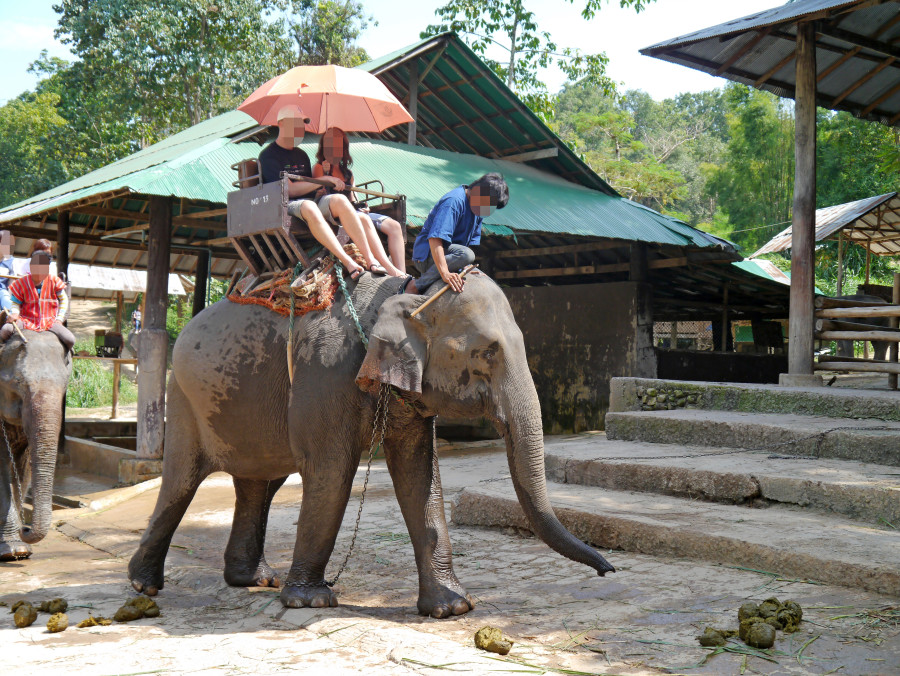
The Asian elephants are being used to take tourists for rides. World Animal Protection believes that wild animals should be left in the wild and not used for our entertainment.
2. Taking tiger-selfies
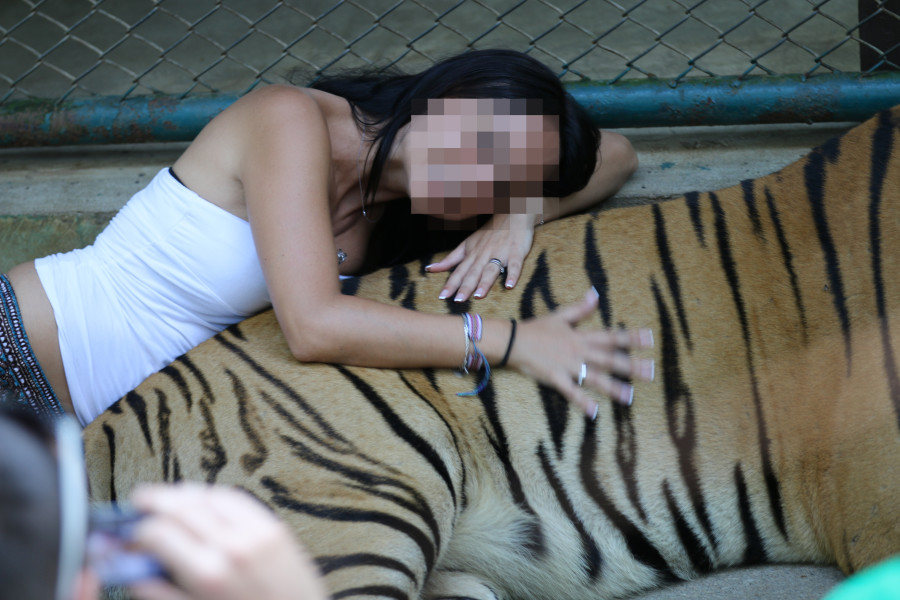
A tourist poses for a photo with a tiger in Thailand. At some facilities the adult tigers are kept on a leash to be controlled, or confined to small cages when not in use.
3. Walking with lions
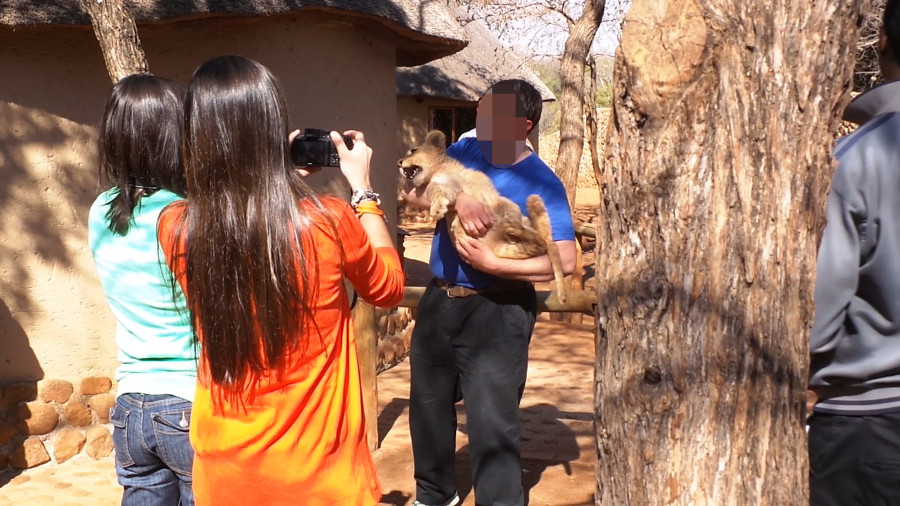
Tourists are able to interact with lion cubs in a facility in Southern Africa.
4. Visiting bear pits
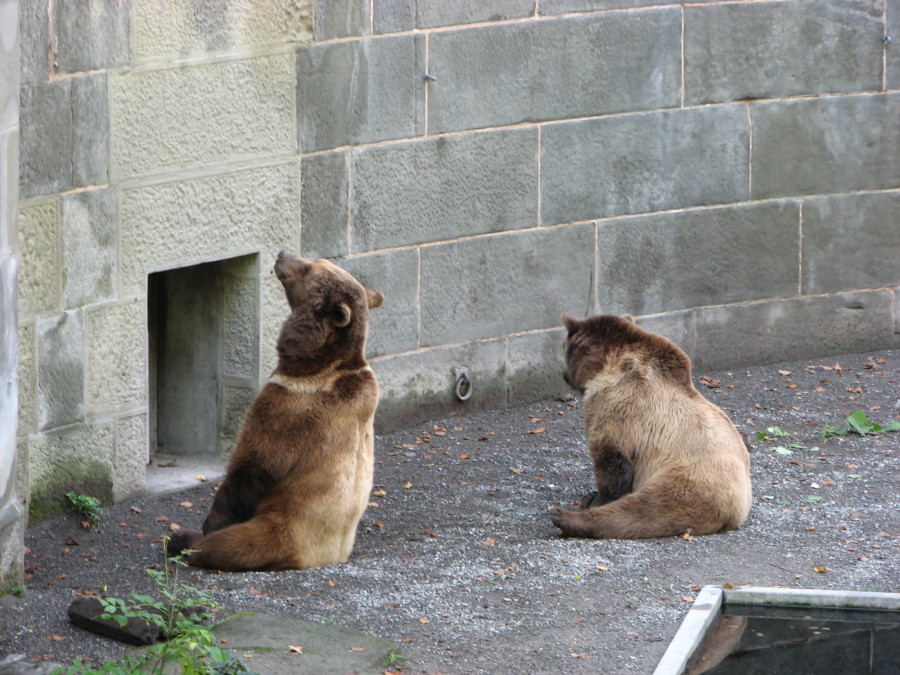
Bears in a bear pit waiting to be fed. At some zoo’s you can find bear pits where you can stare down and look at the bears.
5. holding mature sea turtles
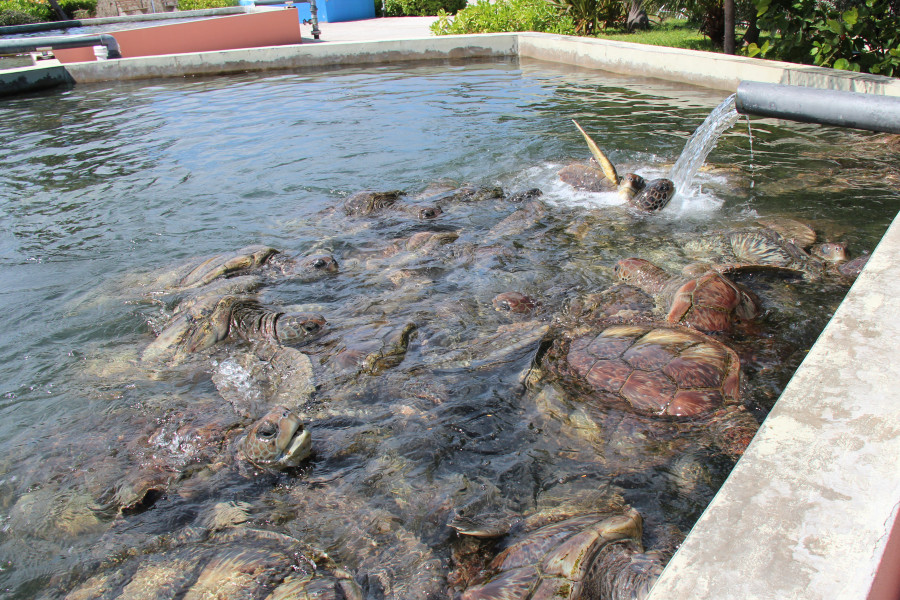
Turtles converging in a crowded tank. The Cayman Turtle Farm (CTF) is the last facility in the world that breeds turtles for commercial use.
6. Dolphins shows
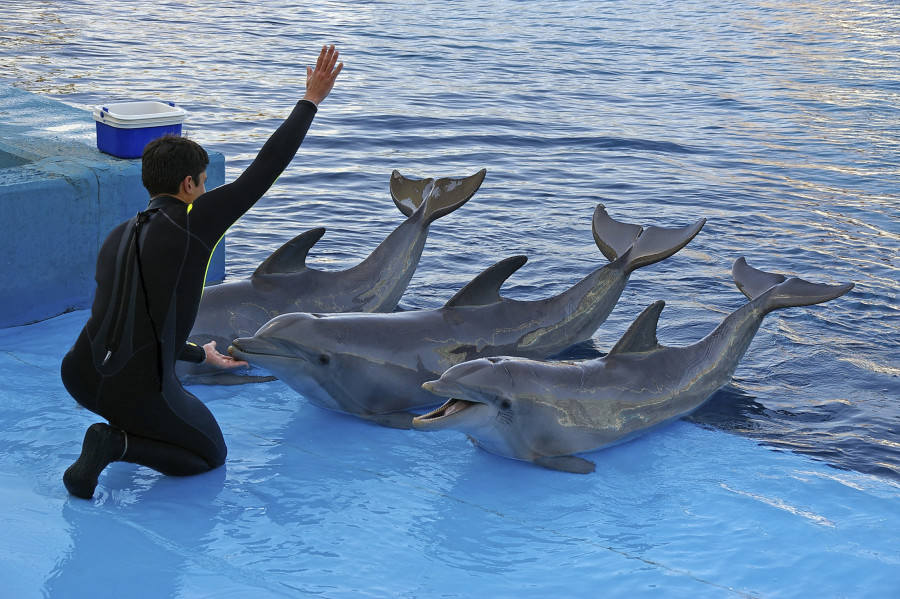
Three captive dolphins performing with a trainer at an aquatic theme park.
7. Dancing monkeys
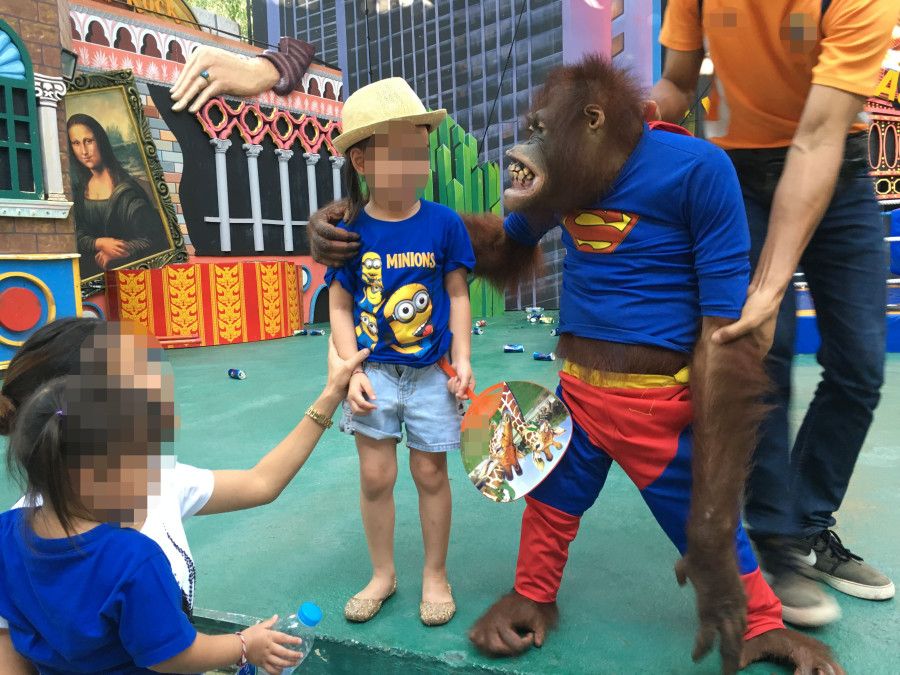
Orangutans have been trained to perform in shows at a tourist attraction in South east Asia. After the show the audience are invited to ‘meet’ them or have their photo taken with them.
8. Visits to coffee plantations with caged civets
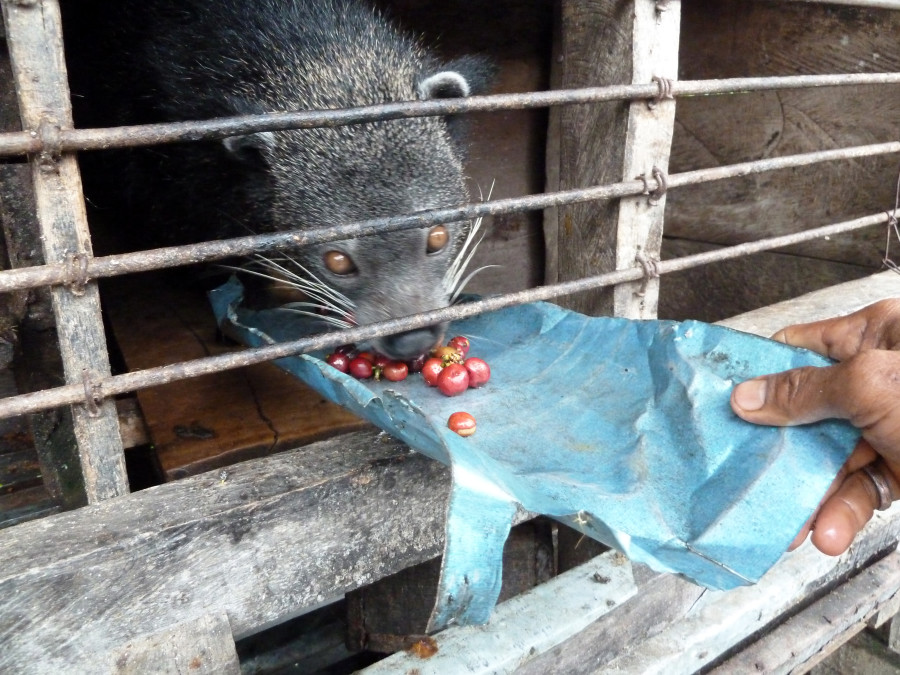
A caged civet cat at a Luwak coffee farm is fed coffee cherries in Sumatra, Indonesia. World Animal Protection carried out an investigation on the practive of civet farming to make coffee in 2011.
9. Snake charmers and cobra-kissing
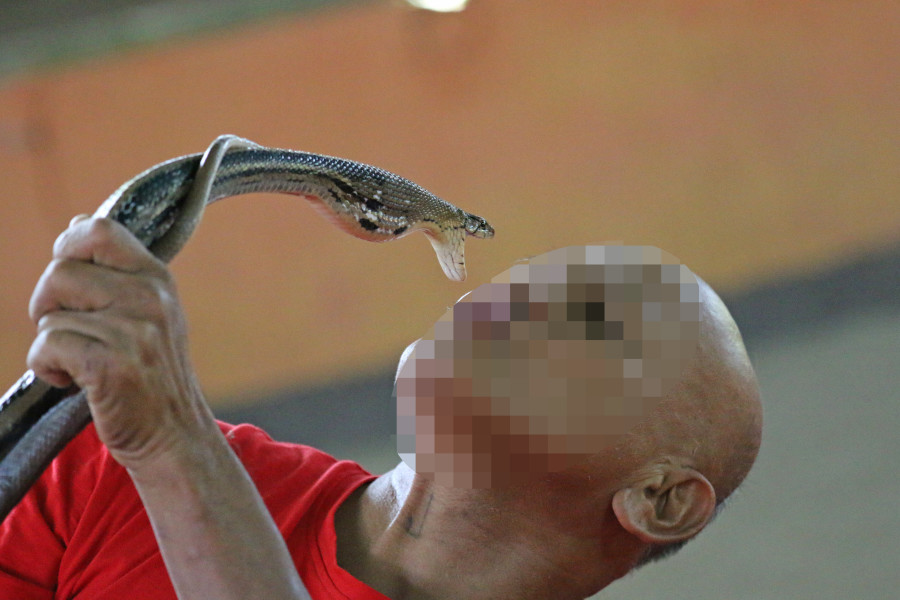
In Thailand you can find people kissing a cobra. They are usually captured from the wild, then they are defanged with metal pliers and their venom ducts are either blocked or removed.
10. Crocodile farms
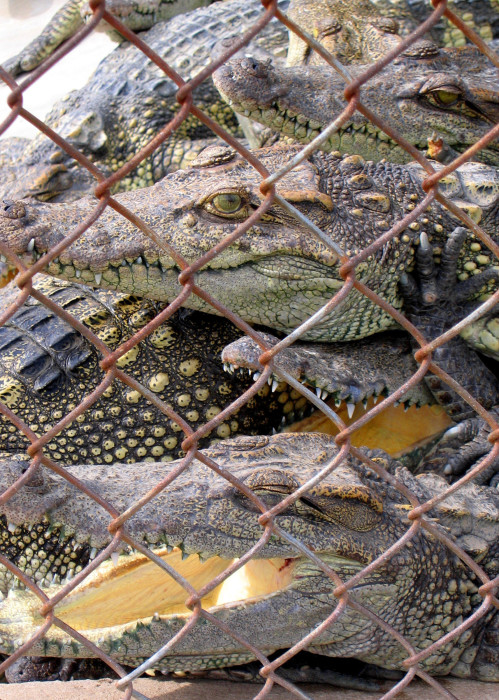
Crocodiles at a Crocodile farm in Vietnam. These animals will be slaughtered for leather and meat after reaching maturity. There is only a small population (less than 100) of wild crocodiles left in Vietnam.
Most tourists don’t know that it’s cruel.
World Animal Protection estimates that 110 million tourists visit attractions cruel to wild animals without being aware of the animal suffering that comes with it. With a growing tourist industry demand this will only increase.
It involves very young animals that have been removed too early from their mothers. They are then beaten and tortured during a brutal training so that they are passive enough for rides, tricks or posing for a holiday snap.

WildCRU also analyzed the reviews of visitors to animal attractions on TripAdvisor, the world’s leading review site for and by tourists. Of the 50,000 reviews, it was found that 80% of people give a positive assessment on attractions with just bad scores on animal welfare.
Pascal de Smit, director of World Animal Protection Netherlands says:
It is clear that thousands of tourists visit wildlife attractions without being aware of the abuse that takes place behind the scenes.
Besides that it is cruel to animals, it is often too dangerous for tourists, as unfortunately turned out this week with the tragic death of a Scottish tourist in Thailand. The man was killed during a ride on the back of an elephant by the animal itself.
If at a tourist attractions you can ride a wild animal, hug it or go with it on the picture, then there is animal cruelty. Do not do it!”
In stead of promoting the animal suffering the tourism industry should just become part of the solution. Therefore, World Animal Protection has ensured that 87 agencies worldwide have stopped offering elephant rides and shows. Also TripAdvisor has an enormous influence on the behavior of tourists and should take responsibility.
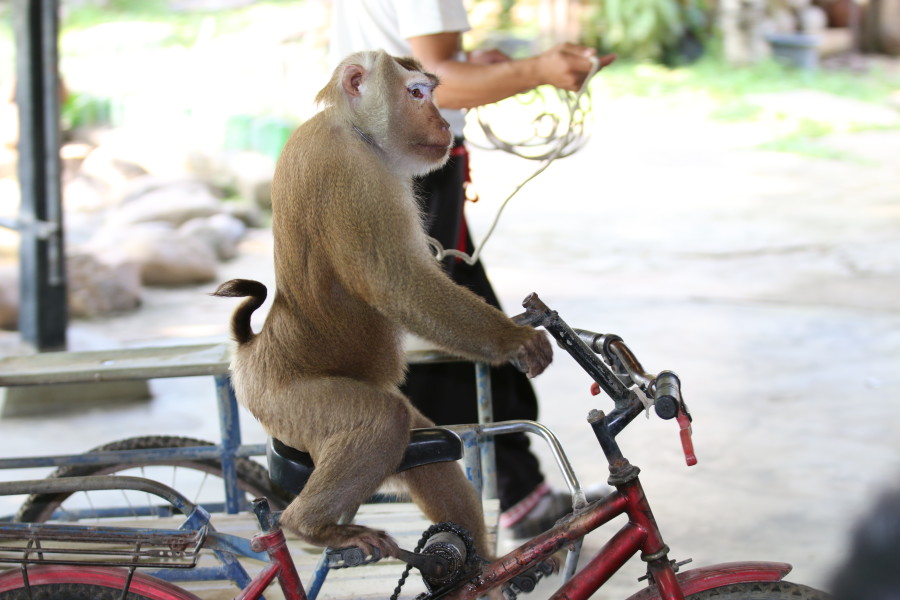
A macaque ‘performs’ for tourists at an attraction in Thailand. These monkeys are kept in captivity and taught tricks.
What do you think about wild animals in tourist attractions?

About Renate Rigters
Ever since I left my home country I felt at home at any other place I went to. I enjoy getting to know more cultures by talking to strangers and hearing their philosophy about life. Speaking with gestures when you can not find a shared language, finding places only the locals go to and learn about their customs and values. Hanging out with local people makes me happy. The experience of every new place is a step out of your comfort zone where I like to wander around until it feels like a second home.
- Web |
- More Posts(369)
comment this post